Array
(
[id_tvcmsposts] => 7
[link] => https://geologia365.com/en/blog/post/7/sedimplak-when-a-university-innovation-reaches-the-professional-world?page_type=post
[post_tags] => Array
(
)
[total_comments] => 0
[post_author] => 1
[post_author_arr] => Array
(
[lastname] => Vilà
[firstname] => Jordi
)
[post_date] => 2026-06-22 00:36:50
[comment_status] => open
[post_password] =>
[post_modified] => 2026-06-22 00:39:42
[post_parent] => 0
[category] => 0
[category_arr] => Array
(
[id] =>
[name] =>
[link_rewrite] =>
[title] =>
[link] => https://geologia365.com/en/blog/category//?page_type=category&subpage_type=post
)
[post_type] => post
[post_format] => standrad
[post_img] => 4667097.webp
[post_img_medium_res] => /modules/tvcmsblog/views/img/noimage.jpg
[post_img_large_res] => /modules/tvcmsblog/views/img/noimage.jpg
[post_img_small_res] => /modules/tvcmsblog/views/img/noimage.jpg
[post_img_blog_left] => /modules/tvcmsblog/views/img/noimage.jpg
[post_img_large] => /modules/tvcmsblog/views/img/noimage.jpg
[post_img_medium] => /modules/tvcmsblog/views/img/noimage.jpg
[post_img_small] => /modules/tvcmsblog/views/img/noimage.jpg
[video] =>
[audio] =>
[gallery] =>
[related_products] => 0
[comment_count] => 266
[position] => 4
[active] => 1
[id_lang] => 1
[post_title] => SedimPlak: When a University Innovation Reaches the Professional World
[meta_title] => The newspaper Última Hora has featured SedimPlak, an innovation developed at the University of the Balearic Islands and commercialized by Geologia365 to improve sediment and geological sample analysis.
[meta_description] => The newspaper Última Hora has featured SedimPlak, an innovation developed at the University of the Balearic Islands and commercialized by Geologia365 to improve sediment and geological sample analysis.
[meta_keyword] => SedimPlak,sedimentology,geological laboratory,UIB,University of the Balearic Islands,innovation,technology transfer,geology,Geologia365
[post_content] => SedimPlak: When a University Innovation Reaches the Professional World
Recently, the newspaper Última Hora published a feature article about SedimPlak, an innovation developed at the University of the Balearic Islands (UIB) to facilitate the counting and compositional analysis of sedimentary samples. The article also highlights the collaboration with Geologia365 to bring this tool to the professional market.
You can read the full article here:
A Simple Idea That Solves a Real Problem
In geology, sedimentology, paleontology and many related disciplines, researchers often need to count hundreds or even thousands of particles under a binocular microscope or stereomicroscope.
Although this is a routine task, it is frequently performed using manual methods that can lead to counting errors, duplicated observations or inefficient observation patterns.
SedimPlak was specifically designed to solve this problem. Its structure provides a systematic observation path, making particle counting easier while improving sample traceability and analytical consistency.
From Research to Practical Application
The technology was developed by Laura del Valle, researcher and PhD in Geography at the University of the Balearic Islands.
According to the newspaper article, the idea emerged while studying the composition of sediments from Playa de Palma, where she identified the need for a more structured counting process to reduce errors and improve efficiency.
After several prototypes and years of development, the project participated in university technology transfer programs, received support for intellectual property protection and eventually reached a licensing agreement with Geologia365.
Why Has Geologia365 Chosen SedimPlak?
When we first learned about the project, one particular aspect caught our attention: its simplicity.
Innovation does not always mean sophisticated instruments or highly complex technology. Often, the best innovations are those that elegantly solve a problem faced by students and professionals every day.
SedimPlak perfectly reflects this philosophy.
At Geologia365, we aim to select tools that provide real value in fieldwork, laboratory analysis and education. SedimPlak is a clear example of a product born from academic research but designed with immediate practical applications for students, researchers and professionals.
A Tool with Educational Potential
One of the aspects that interests us most is its educational value.
Particle counting and classification require both practice and methodology. SedimPlak helps students better understand these procedures while encouraging a systematic and organized workflow.
We believe this tool has strong potential for universities, research centers and specialized laboratories alike.
An Example of Knowledge Transfer
Beyond the product itself, SedimPlak represents an excellent example of knowledge transfer between academia and industry.
Research generates knowledge. However, its impact increases dramatically when that knowledge is transformed into practical tools that reach students and professionals.
For Geologia365, it is a privilege to be part of this process and help bring university-developed innovations to the wider geological community.
[post_excerpt] => The newspaper Última Hora has featured SedimPlak, an innovation developed at the University of the Balearic Islands and commercialized by Geologia365 to improve sediment and geological sample analysis.
[link_rewrite] => sedimplak-when-a-university-innovation-reaches-the-professional-world
[id_shop] => 1
)
1
Array
(
[id_tvcmsposts] => 6
[link] => https://geologia365.com/en/blog/post/6/what-does-a-geologist-really-do-15-career-paths-you-may-not-know-about?page_type=post
[post_tags] => Array
(
[0] => Array
(
[name] => geòleg
[id_tag] => 20
[link] => https://geologia365.com/en/blog/tag/20/geoleg?page_type=tag&subpage_type=post
)
[1] => Array
(
[name] => geologia
[id_tag] => 7
[link] => https://geologia365.com/en/blog/tag/7/geologia?page_type=tag&subpage_type=post
)
[2] => Array
(
[name] => sortides professionals
[id_tag] => 21
[link] => https://geologia365.com/en/blog/tag/21/sortides-professionals?page_type=tag&subpage_type=post
)
[3] => Array
(
[name] => estudiar geologia
[id_tag] => 22
[link] => https://geologia365.com/en/blog/tag/22/estudiar-geologia?page_type=tag&subpage_type=post
)
[4] => Array
(
[name] => treball geòleg
[id_tag] => 23
[link] => https://geologia365.com/en/blog/tag/23/treball-geoleg?page_type=tag&subpage_type=post
)
[5] => Array
(
[name] => geociències
[id_tag] => 24
[link] => https://geologia365.com/en/blog/tag/24/geociencies?page_type=tag&subpage_type=post
)
[6] => Array
(
[name] => exploració minera
[id_tag] => 25
[link] => https://geologia365.com/en/blog/tag/25/exploracio-minera?page_type=tag&subpage_type=post
)
[7] => Array
(
[name] => hidrogeologia
[id_tag] => 26
[link] => https://geologia365.com/en/blog/tag/26/hidrogeologia?page_type=tag&subpage_type=post
)
[8] => Array
(
[name] => geotècnia
[id_tag] => 27
[link] => https://geologia365.com/en/blog/tag/27/geotecnia?page_type=tag&subpage_type=post
)
)
[gallery_lists] => Array
(
[0] => Array
(
[main] => /modules/tvcmsblog/views/img/geologist2.jpg
[medium_res] => /modules/tvcmsblog/views/img/noimage.jpg
[large_res] => /modules/tvcmsblog/views/img/noimage.jpg
[small_res] => /modules/tvcmsblog/views/img/noimage.jpg
[blog_left] => /modules/tvcmsblog/views/img/noimage.jpg
[large] => /modules/tvcmsblog/views/img/noimage.jpg
[medium] => /modules/tvcmsblog/views/img/noimage.jpg
[small] => /modules/tvcmsblog/views/img/noimage.jpg
)
[1] => Array
(
[main] => /modules/tvcmsblog/views/img/geologist1.jpg
[medium_res] => /modules/tvcmsblog/views/img/noimage.jpg
[large_res] => /modules/tvcmsblog/views/img/noimage.jpg
[small_res] => /modules/tvcmsblog/views/img/noimage.jpg
[blog_left] => /modules/tvcmsblog/views/img/noimage.jpg
[large] => /modules/tvcmsblog/views/img/noimage.jpg
[medium] => /modules/tvcmsblog/views/img/noimage.jpg
[small] => /modules/tvcmsblog/views/img/noimage.jpg
)
[2] => Array
(
[main] => /modules/tvcmsblog/views/img/geologist3.jpg
[medium_res] => /modules/tvcmsblog/views/img/noimage.jpg
[large_res] => /modules/tvcmsblog/views/img/noimage.jpg
[small_res] => /modules/tvcmsblog/views/img/noimage.jpg
[blog_left] => /modules/tvcmsblog/views/img/noimage.jpg
[large] => /modules/tvcmsblog/views/img/noimage.jpg
[medium] => /modules/tvcmsblog/views/img/noimage.jpg
[small] => /modules/tvcmsblog/views/img/noimage.jpg
)
[3] => Array
(
[main] => /modules/tvcmsblog/views/img/geologist4.jpg
[medium_res] => /modules/tvcmsblog/views/img/noimage.jpg
[large_res] => /modules/tvcmsblog/views/img/noimage.jpg
[small_res] => /modules/tvcmsblog/views/img/noimage.jpg
[blog_left] => /modules/tvcmsblog/views/img/noimage.jpg
[large] => /modules/tvcmsblog/views/img/noimage.jpg
[medium] => /modules/tvcmsblog/views/img/noimage.jpg
[small] => /modules/tvcmsblog/views/img/noimage.jpg
)
[4] => Array
(
[main] => /modules/tvcmsblog/views/img/geologist5.jpg
[medium_res] => /modules/tvcmsblog/views/img/noimage.jpg
[large_res] => /modules/tvcmsblog/views/img/noimage.jpg
[small_res] => /modules/tvcmsblog/views/img/noimage.jpg
[blog_left] => /modules/tvcmsblog/views/img/noimage.jpg
[large] => /modules/tvcmsblog/views/img/noimage.jpg
[medium] => /modules/tvcmsblog/views/img/noimage.jpg
[small] => /modules/tvcmsblog/views/img/noimage.jpg
)
)
[total_comments] => 0
[post_author] => 1
[post_author_arr] => Array
(
[lastname] => Vilà
[firstname] => Jordi
)
[post_date] => 2026-06-13 22:05:56
[comment_status] => open
[post_password] =>
[post_modified] => 2026-06-13 22:48:37
[post_parent] => 0
[category] => 18
[category_arr] => Array
(
[id] => 18
[name] => Technical and informative articles
[link_rewrite] => technical-and-informative-articles
[title] => Technical and informative articles
[link] => https://geologia365.com/en/blog/category/18/technical-and-informative-articles?page_type=category&subpage_type=post
)
[post_type] => post
[post_format] => standrad
[post_img] => geologist5.jpg
[post_img_medium_res] => /modules/tvcmsblog/views/img/noimage.jpg
[post_img_large_res] => /modules/tvcmsblog/views/img/noimage.jpg
[post_img_small_res] => /modules/tvcmsblog/views/img/noimage.jpg
[post_img_blog_left] => /modules/tvcmsblog/views/img/noimage.jpg
[post_img_large] => /modules/tvcmsblog/views/img/noimage.jpg
[post_img_medium] => /modules/tvcmsblog/views/img/noimage.jpg
[post_img_small] => /modules/tvcmsblog/views/img/noimage.jpg
[video] =>
[audio] =>
[gallery] => geologist2.jpg,geologist1.jpg,geologist3.jpg,geologist4.jpg,geologist5.jpg
[related_products] => 0
[comment_count] => 535
[position] => 3
[active] => 1
[id_lang] => 1
[post_title] => What Does a Geologist Really Do? 15 Career Paths You May Not Know About
[meta_title] => Discover the main career opportunities in geology. Mineral exploration, environmental geology, geotechnics, natural hazards, research, education and many other professional paths.
[meta_description] => Discover the main career opportunities in geology. Mineral exploration, environmental geology, geotechnics, natural hazards, research, education and many other professional paths.
[meta_keyword] => geology,geologist,career opportunities,study geology,geology jobs,geoscience,mineral exploration,hydrogeology,geotechnical geology
[post_content] => What Does a Geologist Really Do? 15 Career Paths You May Not Know About
When people hear the word geologist, they often imagine someone hitting rocks with a hammer on a mountainside. While fieldwork remains an important part of the profession, the reality is that geology is an extraordinarily diverse discipline with career opportunities across many different sectors.
Modern society depends on geology far more than most people realize. From the materials we use every day to the water we drink, the energy we consume and the infrastructure surrounding us, geologists play a crucial role in countless aspects of daily life.
1. Mineral Exploration
Exploration geologists search for new mineral deposits and strategic resources.
Today, the growing demand for lithium, cobalt, nickel, rare earth elements and copper has greatly boosted this sector due to the energy transition and the expansion of renewable technologies.
2. Environmental Geology
Environmental geologists investigate soil and groundwater contamination and contribute to environmental restoration projects.
3. Hydrogeology
Without hydrogeologists, managing the aquifers that provide drinking water to millions of people would be extremely difficult.
4. Geotechnical Geology
Before roads, tunnels, bridges or buildings can be constructed, the ground must be properly studied.
Geotechnical geologists play a key role in ensuring the safety of infrastructure projects.
5. Petroleum and Gas Geology
Despite the global energy transition, this remains one of the largest professional sectors for geologists worldwide.
6. Geothermal Energy
Geothermal energy is one of the fastest-growing energy sectors and offers significant opportunities for geologists.
7. Geological Hazards
Landslides, earthquakes, floods, subsidence and volcanic eruptions require multidisciplinary teams where geologists play an essential role.
8. Geological Mapping
Many geologists specialize in producing geological maps that serve as the foundation for numerous projects.
9. Paleontology
Paleontologists study ancient life through fossils and help reconstruct Earth's history.
10. Mineralogy
The identification and study of minerals remains a highly valued specialization.
11. Scientific Research
Universities and research institutions conduct studies on climate change, oceans, natural resources and Earth's evolution.
12. Education
Many geologists build careers as university lecturers, secondary school teachers or science communicators.
13. Museums and Geological Heritage
The conservation and promotion of geological heritage is a growing professional field.
14. International Development
NGOs, international organizations and development projects often require geologists to manage water resources and natural hazards.
15. Science Communication
An increasing number of geologists dedicate their careers to communicating science through media outlets, social networks, books, guided tours and educational projects.
A Profession with a Future
Geology is far more diverse than most people imagine.
The need for mineral resources, the energy transition, water management, climate adaptation and natural hazard mitigation ensure that geologists remain essential professionals for addressing some of the major challenges of the 21st century.
If you are considering studying geology or are simply curious about Earth Sciences, you may be surprised by the wide variety of career paths available within this fascinating profession.
[post_excerpt] => Discover the main career opportunities in geology. Mineral exploration, environmental geology, geotechnics, natural hazards, research, education and many other professional paths.
[link_rewrite] => what-does-a-geologist-really-do-15-career-paths-you-may-not-know-about
[id_shop] => 1
)
1
Array
(
[id_tvcmsposts] => 5
[link] => https://geologia365.com/en/blog/post/5/what-did-we-learn-at-egu-2026-geologia365-and-brunton-at-europe-s-largest-geoscience-conference?page_type=post
[post_tags] => Array
(
)
[gallery_lists] => Array
(
[0] => Array
(
[main] => /modules/tvcmsblog/views/img/20260505153301.jpg
[medium_res] => /modules/tvcmsblog/views/img/noimage.jpg
[large_res] => /modules/tvcmsblog/views/img/noimage.jpg
[small_res] => /modules/tvcmsblog/views/img/noimage.jpg
[blog_left] => /modules/tvcmsblog/views/img/noimage.jpg
[large] => /modules/tvcmsblog/views/img/noimage.jpg
[medium] => /modules/tvcmsblog/views/img/noimage.jpg
[small] => /modules/tvcmsblog/views/img/noimage.jpg
)
[1] => Array
(
[main] => /modules/tvcmsblog/views/img/20260505153516.jpg
[medium_res] => /modules/tvcmsblog/views/img/noimage.jpg
[large_res] => /modules/tvcmsblog/views/img/noimage.jpg
[small_res] => /modules/tvcmsblog/views/img/noimage.jpg
[blog_left] => /modules/tvcmsblog/views/img/noimage.jpg
[large] => /modules/tvcmsblog/views/img/noimage.jpg
[medium] => /modules/tvcmsblog/views/img/noimage.jpg
[small] => /modules/tvcmsblog/views/img/noimage.jpg
)
[2] => Array
(
[main] => /modules/tvcmsblog/views/img/20260505180930.jpg
[medium_res] => /modules/tvcmsblog/views/img/noimage.jpg
[large_res] => /modules/tvcmsblog/views/img/noimage.jpg
[small_res] => /modules/tvcmsblog/views/img/noimage.jpg
[blog_left] => /modules/tvcmsblog/views/img/noimage.jpg
[large] => /modules/tvcmsblog/views/img/noimage.jpg
[medium] => /modules/tvcmsblog/views/img/noimage.jpg
[small] => /modules/tvcmsblog/views/img/noimage.jpg
)
[3] => Array
(
[main] => /modules/tvcmsblog/views/img/20260506124059.jpg
[medium_res] => /modules/tvcmsblog/views/img/noimage.jpg
[large_res] => /modules/tvcmsblog/views/img/noimage.jpg
[small_res] => /modules/tvcmsblog/views/img/noimage.jpg
[blog_left] => /modules/tvcmsblog/views/img/noimage.jpg
[large] => /modules/tvcmsblog/views/img/noimage.jpg
[medium] => /modules/tvcmsblog/views/img/noimage.jpg
[small] => /modules/tvcmsblog/views/img/noimage.jpg
)
[4] => Array
(
[main] => /modules/tvcmsblog/views/img/20260506141136.jpg
[medium_res] => /modules/tvcmsblog/views/img/noimage.jpg
[large_res] => /modules/tvcmsblog/views/img/noimage.jpg
[small_res] => /modules/tvcmsblog/views/img/noimage.jpg
[blog_left] => /modules/tvcmsblog/views/img/noimage.jpg
[large] => /modules/tvcmsblog/views/img/noimage.jpg
[medium] => /modules/tvcmsblog/views/img/noimage.jpg
[small] => /modules/tvcmsblog/views/img/noimage.jpg
)
[5] => Array
(
[main] => /modules/tvcmsblog/views/img/20260506141143.jpg
[medium_res] => /modules/tvcmsblog/views/img/noimage.jpg
[large_res] => /modules/tvcmsblog/views/img/noimage.jpg
[small_res] => /modules/tvcmsblog/views/img/noimage.jpg
[blog_left] => /modules/tvcmsblog/views/img/noimage.jpg
[large] => /modules/tvcmsblog/views/img/noimage.jpg
[medium] => /modules/tvcmsblog/views/img/noimage.jpg
[small] => /modules/tvcmsblog/views/img/noimage.jpg
)
[6] => Array
(
[main] => /modules/tvcmsblog/views/img/20260506141221.jpg
[medium_res] => /modules/tvcmsblog/views/img/noimage.jpg
[large_res] => /modules/tvcmsblog/views/img/noimage.jpg
[small_res] => /modules/tvcmsblog/views/img/noimage.jpg
[blog_left] => /modules/tvcmsblog/views/img/noimage.jpg
[large] => /modules/tvcmsblog/views/img/noimage.jpg
[medium] => /modules/tvcmsblog/views/img/noimage.jpg
[small] => /modules/tvcmsblog/views/img/noimage.jpg
)
[7] => Array
(
[main] => /modules/tvcmsblog/views/img/20260506180509.jpg
[medium_res] => /modules/tvcmsblog/views/img/noimage.jpg
[large_res] => /modules/tvcmsblog/views/img/noimage.jpg
[small_res] => /modules/tvcmsblog/views/img/noimage.jpg
[blog_left] => /modules/tvcmsblog/views/img/noimage.jpg
[large] => /modules/tvcmsblog/views/img/noimage.jpg
[medium] => /modules/tvcmsblog/views/img/noimage.jpg
[small] => /modules/tvcmsblog/views/img/noimage.jpg
)
)
[total_comments] => 0
[post_author] => 1
[post_author_arr] => Array
(
[lastname] => Vilà
[firstname] => Jordi
)
[post_date] => 2026-06-13 16:22:27
[comment_status] => open
[post_password] =>
[post_modified] => 2026-06-13 22:27:59
[post_parent] => 0
[category] => 16
[category_arr] => Array
(
[id] => 16
[name] => Geologia365 News
[link_rewrite] => geologia365-news
[title] => Geologia365 News
[link] => https://geologia365.com/en/blog/category/16/geologia365-news?page_type=category&subpage_type=post
)
[post_type] => post
[post_format] => standrad
[post_img] => 202605061412211.jpg
[post_img_medium_res] => /modules/tvcmsblog/views/img/noimage.jpg
[post_img_large_res] => /modules/tvcmsblog/views/img/noimage.jpg
[post_img_small_res] => /modules/tvcmsblog/views/img/noimage.jpg
[post_img_blog_left] => /modules/tvcmsblog/views/img/noimage.jpg
[post_img_large] => /modules/tvcmsblog/views/img/noimage.jpg
[post_img_medium] => /modules/tvcmsblog/views/img/noimage.jpg
[post_img_small] => /modules/tvcmsblog/views/img/noimage.jpg
[video] =>
[audio] =>
[gallery] => 20260505153301.jpg,20260505153516.jpg,20260505180930.jpg,20260506124059.jpg,20260506141136.jpg,20260506141143.jpg,20260506141221.jpg,20260506180509.jpg
[related_products] => 0
[comment_count] => 237
[position] => 2
[active] => 1
[id_lang] => 1
[post_title] => What Did We Learn at EGU 2026? Geologia365 and Brunton at Europe's Largest Geoscience Conference
[meta_title] => Discover our experience at EGU 2026 in Vienna, sharing a stand with Brunton and meeting geologists from around the world. Trends, innovation and field geology.
[meta_description] => Discover our experience at EGU 2026 in Vienna, sharing a stand with Brunton and meeting geologists from around the world. Trends, innovation and field geology.
[meta_keyword] => EGU 2026,Brunton,Geologia365,Vienna,geology,geoscience,geological compass,fieldwork,geological conferences
[post_content] => What Did We Learn at EGU 2026?
The European Geosciences Union General Assembly (EGU) is undoubtedly the most important geoscience conference in Europe and one of the most significant worldwide. The 2026 edition, held in Vienna from May 3rd to May 8th, brought together more than 22,000 participants from over 125 countries, once again establishing itself as the major international meeting point for geologists, geophysicists, climatologists, hydrogeologists, oceanographers and researchers from all Earth Science disciplines.
At Geologia365, we had the opportunity to take part in this outstanding event while sharing exhibition space with Brunton, one of the world's most prestigious geological instrument manufacturers.
Sharing a Booth with Brunton
Throughout the week, we worked side by side with Lauren Heerschap and David Heerschap, owners of Brunton, meeting geologists from every continent.
EGU is a unique venue because it allows direct interaction with professionals who use geological instruments in real field conditions. In just a few days, we spoke with university researchers, PhD students, mineral exploration geologists, geological hazard specialists and university professors from dozens of different countries.
This direct contact is extremely valuable because it helps us better understand the needs of today's geologists and the challenges they face in their daily work.
The Geological Compass Remains Essential
In an era dominated by digital devices, one of the most interesting conclusions was that geological compasses remain an essential field tool.
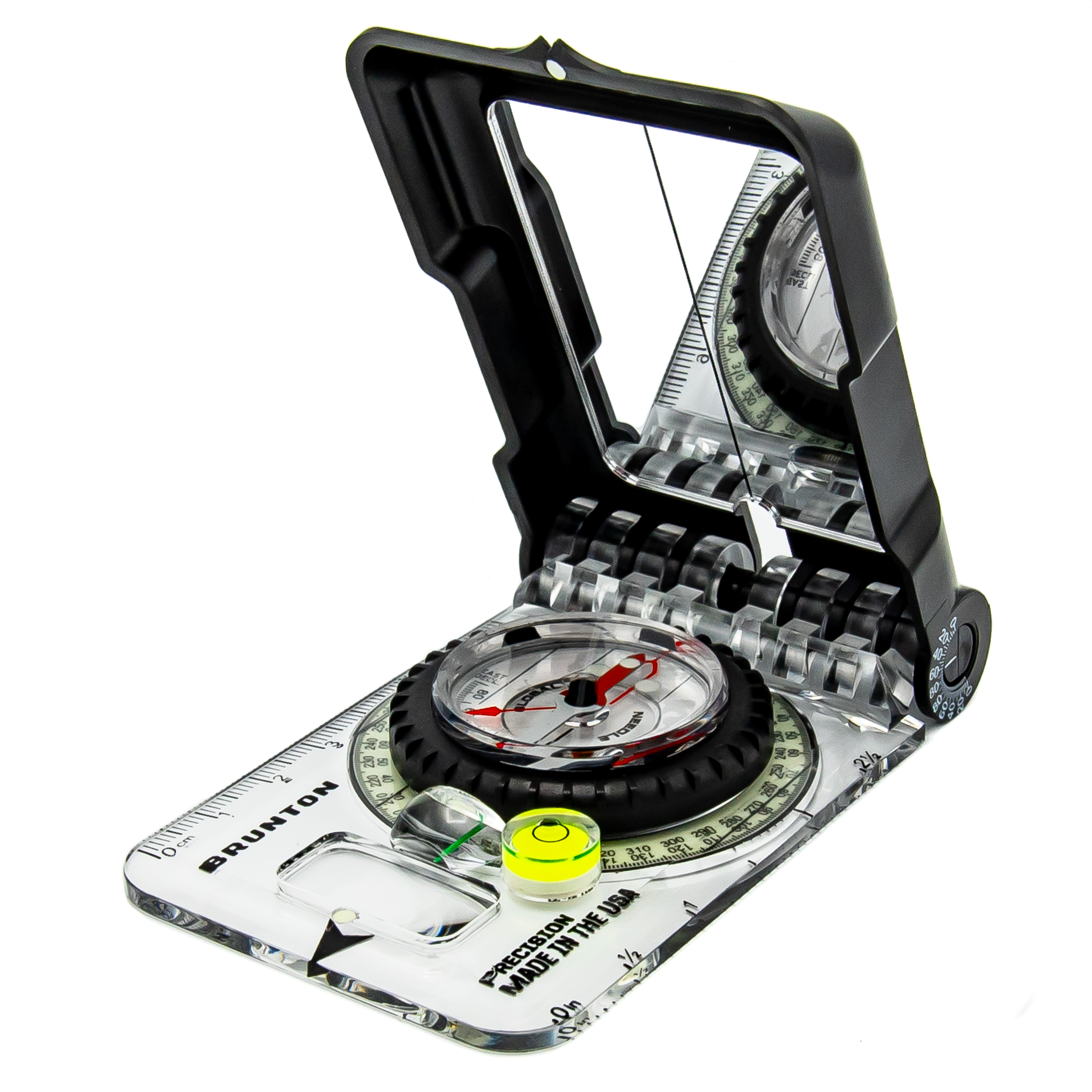
Many visitors showed particular interest in the Brunton Axis Transit.
And also in the Brunton Geo Transit.
During the demonstrations at the booth, we explained the differences between both models and helped many professionals choose the most suitable instrument for their fieldwork requirements.
Despite the increasing number of smartphone applications available today, most professionals agree that when reliable structural measurements are required, a high-quality geological compass remains irreplaceable.
To explore the full Brunton product range:
Geology Continues to Be a Global Discipline
Another interesting observation was the truly international nature of geology.
During the conference, we met professionals from Europe, North America, South America, Africa, Asia and Oceania. Although they work in very different geological environments, the challenges they face are often similar: geological mapping, mineral resources, natural hazards, groundwater studies, energy transition and climate change adaptation.
This diversity makes EGU a unique opportunity to exchange experiences and learn about new methodologies and approaches.
Students Remain the Future of the Profession
A significant proportion of attendees were master's students, PhD candidates and early-career researchers.
It was particularly rewarding to advise many students on selecting their first field equipment, answer questions about geological compasses and explain the differences between the available models.
For students beginning their field geology journey:
The Importance of Personal Interaction
The internet has made purchasing and communication easier than ever, but events such as EGU continue to demonstrate the importance of face-to-face interaction.
Being able to demonstrate a compass, explain how it works, compare models and listen to users' experiences provides a level of value that cannot easily be replaced.
For Geologia365, it has been a great privilege to represent Brunton within the international geological community and help showcase tools that remain essential for fieldwork.
Looking Ahead
EGU 2026 confirmed that geology continues to evolve, incorporating new technologies and methodologies while maintaining the importance of the classic tools that have accompanied generations of geologists.
We return from Vienna with new ideas, new contacts and the satisfaction of having shared an inspiring week with some of the world's leading Earth Science professionals.
See you at the next EGU.
[post_excerpt] => Discover our experience at EGU 2026 in Vienna, sharing a stand with Brunton and meeting geologists from around the world. Trends, innovation and field geology.
[link_rewrite] => what-did-we-learn-at-egu-2026-geologia365-and-brunton-at-europe-s-largest-geoscience-conference
[id_shop] => 1
)
1
Array
(
    [id_tvcmsposts] => 2
    [link] => https://geologia365.com/en/blog/post/2/what-should-a-good-geologists-hammer-be-like?page_type=post
    [post_tags] => Array
        (
            [0] => Array
                (
                    [name] => martillo
                    [id_tag] => 2
                    [link] => https://geologia365.com/en/blog/tag/2/martillo?page_type=tag&subpage_type=post
                )

            [1] => Array
                (
                    [name] => estwing
                    [id_tag] => 3
                    [link] => https://geologia365.com/en/blog/tag/3/estwing?page_type=tag&subpage_type=post
                )

            [2] => Array
                (
                    [name] => geologo
                    [id_tag] => 4
                    [link] => https://geologia365.com/en/blog/tag/4/geologo?page_type=tag&subpage_type=post
                )

            [3] => Array
                (
                    [name] => geologico
                    [id_tag] => 5
                    [link] => https://geologia365.com/en/blog/tag/5/geologico?page_type=tag&subpage_type=post
                )

            [4] => Array
                (
                    [name] => comprar
                    [id_tag] => 6
                    [link] => https://geologia365.com/en/blog/tag/6/comprar?page_type=tag&subpage_type=post
                )

            [5] => Array
                (
                    [name] => geologia
                    [id_tag] => 7
                    [link] => https://geologia365.com/en/blog/tag/7/geologia?page_type=tag&subpage_type=post
                )

            [6] => Array
                (
                    [name] => hammer
                    [id_tag] => 8
                    [link] => https://geologia365.com/en/blog/tag/8/hammer?page_type=tag&subpage_type=post
                )

            [7] => Array
                (
                    [name] => geological
                    [id_tag] => 9
                    [link] => https://geologia365.com/en/blog/tag/9/geological?page_type=tag&subpage_type=post
                )

            [8] => Array
                (
                    [name] => geologic
                    [id_tag] => 10
                    [link] => https://geologia365.com/en/blog/tag/10/geologic?page_type=tag&subpage_type=post
                )

            [9] => Array
                (
                    [name] => geology
                    [id_tag] => 11
                    [link] => https://geologia365.com/en/blog/tag/11/geology?page_type=tag&subpage_type=post
                )

        )

    [gallery_lists] => Array
        (
            [0] => Array
                (
                    [main] => /modules/tvcmsblog/views/img/prodgeologicalrockpickseo-14p012000x2000png.webp
                    [medium_res] => /modules/tvcmsblog/views/img/noimage.jpg
                    [large_res] => /modules/tvcmsblog/views/img/noimage.jpg
                    [small_res] => /modules/tvcmsblog/views/img/noimage.jpg
                    [blog_left] => /modules/tvcmsblog/views/img/noimage.jpg
                    [large] => /modules/tvcmsblog/views/img/noimage.jpg
                    [medium] => /modules/tvcmsblog/views/img/noimage.jpg
                    [small] => /modules/tvcmsblog/views/img/noimage.jpg
                )

        )

    [total_comments] => 0
    [post_author] => 1
    [post_author_arr] => Array
        (
            [lastname] => Vilà
            [firstname] => Jordi
        )

    [post_date] => 2024-12-01 16:45:23
    [comment_status] => open
    [post_password] =>
    [post_modified] => 2026-06-13 16:02:55
    [post_parent] => 0
    [category] => 19
    [category_arr] => Array
        (
            [id] => 19
            [name] => Comparisons and products
            [link_rewrite] => comparisons-and-products
            [title] => Comparisons and products
            [link] => https://geologia365.com/en/blog/category/19/comparisons-and-products?page_type=category&subpage_type=post
        )

    [post_type] => post
    [post_format] => standrad
    [post_img] => prodgeologicalrockpickseo-14p012000x2000.webp
    [post_img_medium_res] => /modules/tvcmsblog/views/img/noimage.jpg
    [post_img_large_res] => /modules/tvcmsblog/views/img/noimage.jpg
    [post_img_small_res] => /modules/tvcmsblog/views/img/noimage.jpg
    [post_img_blog_left] => /modules/tvcmsblog/views/img/noimage.jpg
    [post_img_large] => /modules/tvcmsblog/views/img/noimage.jpg
    [post_img_medium] => /modules/tvcmsblog/views/img/noimage.jpg
    [post_img_small] => /modules/tvcmsblog/views/img/noimage.jpg
    [video] =>
    [audio] =>
    [gallery] => prodgeologicalrockpickseo-14p012000x2000png.webp
    [related_products] => 31
    [comment_count] => 6739
    [position] => 1
    [active] => 1
    [id_lang] => 1
    [post_title] => What should a good geologist’s hammer be like?
    [meta_title] => Geologist hammer Estwing
    [meta_description] => Geologist hammer Estwing
    [meta_keyword] => hammer,estwing,geology,geological,geologic
    [post_content] => These are the essential features that a good geologist's hammer should have:

A geologist's hammer is an indispensable tool for fieldwork, whether you're a professional, student, collector, or geology enthusiast. Below, I'll present the essential characteristics that a good geologist's hammer should possess:

BUY GEOLOGIST'S HAMMER

Durability:
A geologist's hammer must be extremely robust to withstand continuous impacts against rocks and other hard surfaces. The quality of the material it's made from is crucial to ensure longevity and performance.
It's essential that the hammer is a single piece to maintain this necessary durability.

Ergonomic Design:
Spending hours in the field can be tough on your hands and arms. A good geologist's hammer should have an ergonomic handle that allows for a comfortable and firm grip, reducing fatigue during extended use.
If the handle is designed to absorb shocks, similar to an Estwing geologist's hammer, even better.

Perfect Balance:
A well-balanced hammer makes work easier and minimizes the risk of injuries. The balance between the head and the handle is crucial for precise and effective strikes, improving efficiency in fieldwork.
It also reduces vibrations, thereby decreasing the risk of injuries.

Versatility:
Geologist's hammers should be versatile to allow for different types of tasks, such as breaking rocks, excavating, or conducting resistance tests. Hammers with a double head (one flat face and one pointed) are especially useful in various geological situations.
Hammers with a duck-bill-shaped head are ideal for opening strata and performing leverage actions, reducing the risk of sample breakage.

Color:
Currently, brightly colored hammers are being manufactured to prevent losing them in the field. Who hasn't lost a hammer at a rock outcrop?

Estwing Brand Quality:
The Estwing brand is globally recognized for its excellent quality and durability. Estwing geologist's hammers are made from a single piece of steel, making them extremely resistant and long-lasting. Additionally, the handles are coated with a non-slip material that absorbs vibrations, providing additional comfort during use.
Our Estwing hammer is over 25 years old, worn but still just as useful.

BUY GEOLOGIST'S HAMMER

In summary, Estwing geologist's hammers are a secure investment for any geology professional. If you're looking for a hammer to accompany you on all your geological adventures, don't hesitate to choose Estwing. Equipped with the best tools, you'll be prepared for any geological challenge! ??

#Geology #GeologistHammer #Estwing #ProfessionalTools #Geologists

See you in our store! ??
    [post_excerpt] => Everything a good geologist's hammer must have to be fully functional and durable.
    [link_rewrite] => what-should-a-good-geologists-hammer-be-like
    [id_shop] => 1
)
1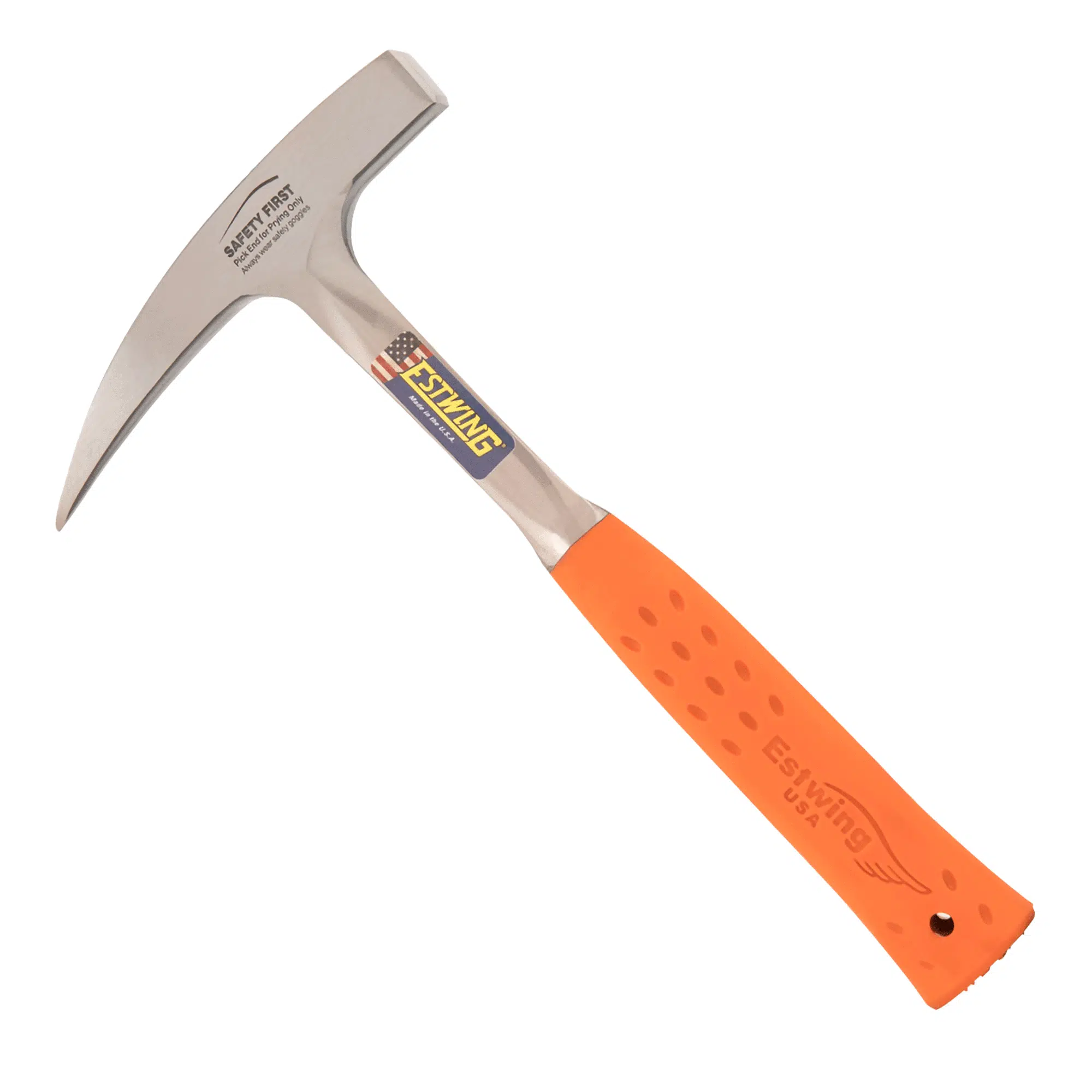
Array
(
[id_tvcmsposts] => 3
[link] => https://geologia365.com/en/blog/post/3/what-should-a-good-compass-look-like?page_type=post
[post_tags] => Array
(
[0] => Array
(
[name] => brújula
[id_tag] => 12
[link] => https://geologia365.com/en/blog/tag/12/brujula?page_type=tag&subpage_type=post
)
[1] => Array
(
[name] => brunton
[id_tag] => 13
[link] => https://geologia365.com/en/blog/tag/13/brunton?page_type=tag&subpage_type=post
)
[2] => Array
(
[name] => compass
[id_tag] => 14
[link] => https://geologia365.com/en/blog/tag/14/compass?page_type=tag&subpage_type=post
)
[3] => Array
(
[name] => bruixola
[id_tag] => 15
[link] => https://geologia365.com/en/blog/tag/15/bruixola?page_type=tag&subpage_type=post
)
[4] => Array
(
[name] => geologia
[id_tag] => 7
[link] => https://geologia365.com/en/blog/tag/7/geologia?page_type=tag&subpage_type=post
)
[5] => Array
(
[name] => geology
[id_tag] => 11
[link] => https://geologia365.com/en/blog/tag/11/geology?page_type=tag&subpage_type=post
)
[6] => Array
(
[name] => geological
[id_tag] => 9
[link] => https://geologia365.com/en/blog/tag/9/geological?page_type=tag&subpage_type=post
)
)
[gallery_lists] => Array
(
[0] => Array
(
[main] => /modules/tvcmsblog/views/img/f-truarc15-glow3.jpg
[medium_res] => /modules/tvcmsblog/views/img/noimage.jpg
[large_res] => /modules/tvcmsblog/views/img/noimage.jpg
[small_res] => /modules/tvcmsblog/views/img/noimage.jpg
[blog_left] => /modules/tvcmsblog/views/img/noimage.jpg
[large] => /modules/tvcmsblog/views/img/noimage.jpg
[medium] => /modules/tvcmsblog/views/img/noimage.jpg
[small] => /modules/tvcmsblog/views/img/noimage.jpg
)
)
[total_comments] => 0
[post_author] => 1
[post_author_arr] => Array
(
[lastname] => Vilà
[firstname] => Jordi
)
[post_date] => 2024-12-01 16:45:23
[comment_status] => open
[post_password] =>
[post_modified] => 2026-06-13 16:03:06
[post_parent] => 0
[category] => 19
[category_arr] => Array
(
[id] => 19
[name] => Comparisons and products
[link_rewrite] => comparisons-and-products
[title] => Comparisons and products
[link] => https://geologia365.com/en/blog/category/19/comparisons-and-products?page_type=category&subpage_type=post
)
[post_type] => post
[post_format] => standrad
[post_img] => f-truarc15-glow3.jpg
[post_img_medium_res] => /modules/tvcmsblog/views/img/noimage.jpg
[post_img_large_res] => /modules/tvcmsblog/views/img/noimage.jpg
[post_img_small_res] => /modules/tvcmsblog/views/img/noimage.jpg
[post_img_blog_left] => /modules/tvcmsblog/views/img/noimage.jpg
[post_img_large] => /modules/tvcmsblog/views/img/noimage.jpg
[post_img_medium] => /modules/tvcmsblog/views/img/noimage.jpg
[post_img_small] => /modules/tvcmsblog/views/img/noimage.jpg
[video] =>
[audio] =>
[gallery] => f-truarc15-glow3.jpg
[related_products] => 45
[comment_count] => 6625
[position] => 1
[active] => 1
[id_lang] => 1
[post_title] => What should a good compass look like?
[meta_title] => Comprar productos de geología – Geologia 365, tienda especializada en accesorios, martillos, lupas, brújulas...
[meta_description] => Comprar productos de geología – Geologia 365, tienda especializada en accesorios, martillos, lupas, brújulas...
[meta_keyword] => compass,brunton,geology,geological,buy
[post_content] =>
Essential Elements of a Compass for Geologists
A compass is a must-have tool for a geologist's fieldwork. Here are the essentials that a good compass for geologists should have:
1. Magnetized needle:
o The magnetized needle is the heart of the compass. It must be sensitive and accurate to point toward magnetic north.
o Its arrangement must allow it to rotate freely in a horizontal plane, which allows the azimuth to be read.
o The accuracy and tolerance of the error depend on the type of work to be done, and it should be less than 1º for scientific and professional works.
2. Clinometer:
o It is imperative that the compass contains a graduated clinometer in order to take slope measurements.
o The accuracy of the clinometer depends directly on the quality of the compass. The Brunton brand offers great quality in this regard.
3. Box & Scoreboard:
o The box that houses the needle must be robust and withstand adverse field conditions, such as rain, temperature changes, pressure, and insolation, among others.
o The marker (graduation) around the needle indicates the degrees or cardinal directions. In specialized compasses such as the Brunton, the graduated circle is inverted to take direct measurements.
4. Integrated Level:
o A compass with a small built-in level helps ensure that it is level when taking azimuth measurements.
o In certain models such as Brunton's, a level is also needed to take slope measurements.
5. Declination Adjustment:
o The compass should allow adjustment of the declination angle based on location on Earth. This compensates for the difference between geographic north and magnetic north. For example, in Barcelona, the declination is 2.5º east, and the compass must be adjusted according to this information.
6. Magnifying glass:
o A built-in magnifier makes it easy to accurately read the marker.
7. Measurement Scales:
o The compass should have measurement scales for angles (azimuth) and other functions such as triangulation and measuring structural alignments. Some models incorporate scales to allow measurement on maps.
8. Pinule and Sights:
o The accuracy of the compass depends on whether it allows you to aim at various distances. This action is performed with moving parts of the compass itself.
9. Magnetic Interference Resistance:
o The compass must be robust against local magnetic disturbances, such as the presence of ferromagnetic minerals.
10. Durability and Portability:
o A compass for geologists should be easy to carry during field explorations and have a long service life.
11. Directions for Use:
o A clear and concise usage guide is essential for geologists to get the most out of their compass.
In short, a compass for geologists must be accurate, robust, and reliable. With a tool like this, you'll be able to navigate the terrain, measure orientations, and conduct structural studies in a professional manner.
[post_excerpt] => Everything a good compass should have to be fully functional for a good geologist.
[link_rewrite] => what-should-a-good-compass-look-like
[id_shop] => 1
)
1